ServicesWater Testing
Water Testing in Friendswood
Knowing what your water carries should come before any talk of equipment. We sample your home's water with care, walk you through every number in plain words, and give you a straight answer on whether you need treatment, which type fits, or none at all.
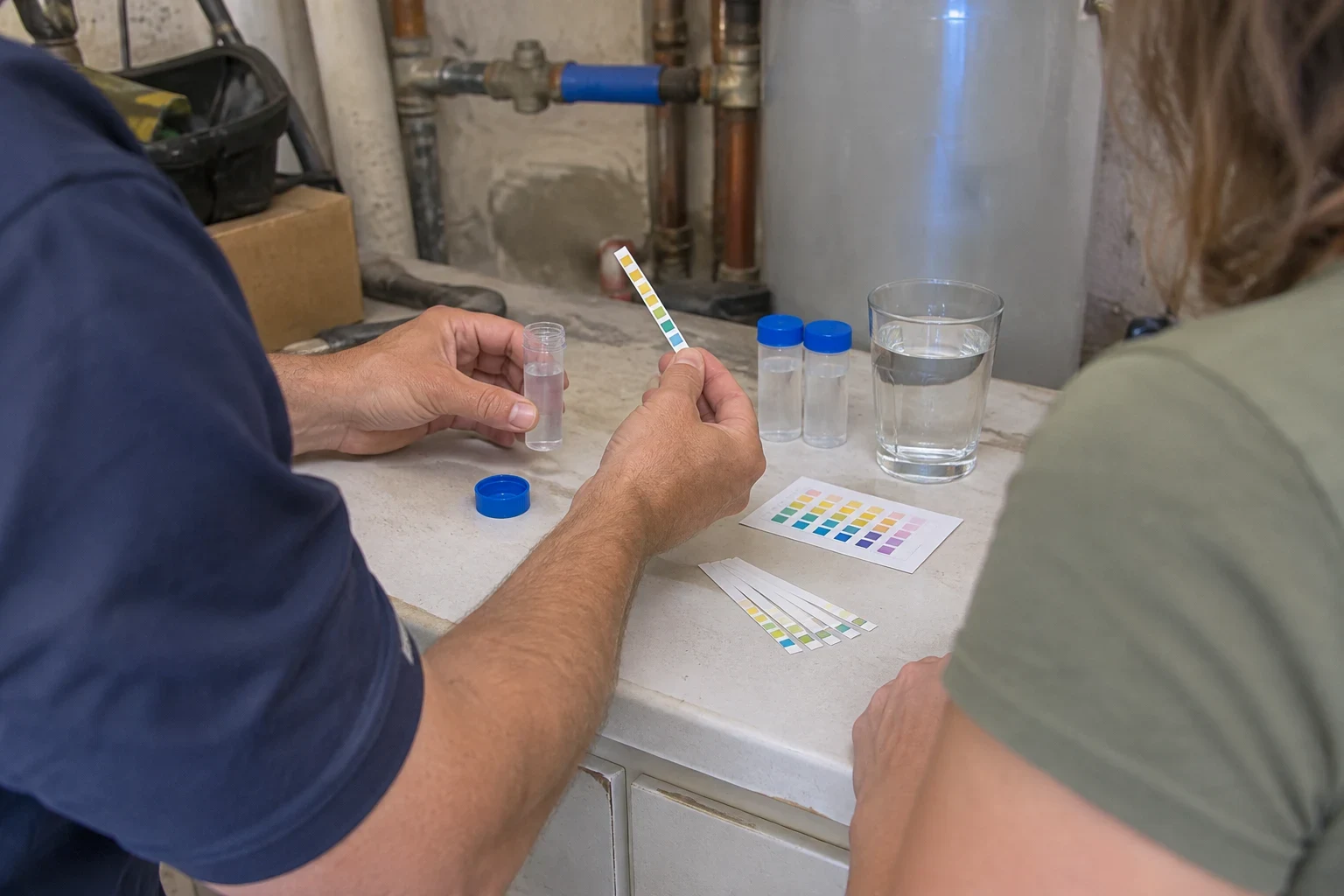
Answers first, equipment second
A good water test is the cheapest way to avoid buying the wrong system. Hardness, iron, chlorine, pH and dissolved solids each need a different fix, and a softener does nothing for a chlorine taste, just as a carbon filter will not stop scale. Testing shows which problem your home actually has, so any recommendation follows your numbers rather than a sales sheet.
Accuracy depends on small details. The tap the sample comes from, whether the line was flushed first, whether the aerator came off and how fast the bottle gets to the lab can all shift a result. We follow the same steps on every visit, because a careless sample can produce an answer that looks certain and is still wrong.
Your results are reviewed by a Certified Water Specialist, a credential from the Water Quality Association. In practice, that means you hear what a reading means for your pipes, fixtures and the people drinking from your tap, not just whether a number came back high or low.
What your water test covers
On-site screening
At your kitchen tap we check hardness, chlorine, pH, iron and total dissolved solids. You see the readings as we take them, and we explain each one before we leave.
Lab testing when it matters
Some questions need an outside lab: lead from older fixtures, bacteria in a private well, or trace contaminants. We collect those samples in the lab's own sterile bottles and handle them by its rules.
Careful sample collection
We pick the right tap for each test, remove aerators where needed and follow first-draw or flushed procedures depending on what we are looking for. Those habits are what make the numbers worth trusting.
A written summary in plain language
You get your results with a short note on what each one means. If everything looks good, we say so.
A straight answer on next steps
When the numbers call for treatment, we name the option that suits your water and show you the reading behind it, be it whole-home filtration, a water softener or reverse osmosis at the sink. When they do not, there is nothing to buy.
Signs it is time to test your water
A chlorine or odd taste
A pool-like smell, a metallic edge or a sulfur odor each points to something different. Testing tells us which one you are dealing with.
Spots, scale or stains
White crust on faucets, cloudy glassware or orange marks in the tub usually mean hardness or iron. A test shows how much, which decides whether a softener or an iron filter is worth it.
You are on a private well
Well water is your responsibility, not a utility's. Testing for bacteria and minerals once a year, and after flooding or heavy rain, is a sensible habit around Friendswood.
Older plumbing or fixtures
Older faucets, solder and service lines can add lead even when the supply is clean. A first-draw lab sample is the only reliable way to know.
A new baby or a new house
Many families test when someone new arrives or right after moving in, so they start with facts instead of guesses.
Before buying any system
If someone has quoted you equipment without testing first, get the numbers yourself. They are the best way to check whether a pitch is real.
How a testing visit works
- 1
Start with a quick call
Let us know what has caught your attention, like a taste, spots or stains, and whether your water comes from the city or a well. From that we choose which tests to bring and decide if any sample should come from a tap left unused overnight.
- 2
Sampling at your home
We work at your kitchen sink and, if needed, a second tap or the well head. Aerators come off, lines are flushed or left still depending on the test, and every bottle is labeled with the tap and time.
- 3
On-the-spot results
Screening results are ready during the visit. We walk you through them at the counter, not with a stack of brochures.
- 4
Lab follow-up
Any lab samples go out promptly so they stay valid. When results come back, we call you, go over them and answer your questions.
What affects the cost of water testing
The cost of testing depends on how many questions you want answered and how much of the work has to go to a lab. We go over the options on the phone so you pick the level of testing that matches your concern. Nothing gets added once we are at your home.
- Screening or lab panel
- A basic on-site screen for hardness, chlorine and iron involves less work than a full lab panel for lead, bacteria or trace contaminants.
- City water or well
- Well testing usually calls for bacteria and mineral samples, sometimes from more than one point, so it takes more steps than a city water check.
- Number of taps
- Checking one kitchen faucet is quicker than comparing several fixtures to track down where lead or an odd taste is coming from.
- Retesting after treatment
- If you install a system, a follow-up test confirms it is working. Planning for that from the start keeps it simple.
Water testing questions
Something not covered here? (281) 694-0589
My city water already meets regulations. Why test it?
Utility reports describe water as it leaves the treatment plant, not after it runs through your service line, pipes and faucets. Taste, chlorine level, lead from old fixtures and hardness at your tap can all differ from the report. A test shows what you are really drinking.
Will you try to sell me a system after the test?
Only if the numbers support it. Plenty of homes test fine, and we will say so plainly. If treatment does make sense, we explain why and which system fits, and you decide in your own time.
How should I prepare for the visit?
For most tests, just avoid running a lot of water right before we arrive. If we are checking for lead, we may ask you to leave the kitchen tap unused overnight so we can take a first-draw sample. We will let you know on the phone if that applies.
We have a private well. How regularly should we check it?
A yearly check for bacteria and the basic minerals is a sensible starting point. Add a test after any flooding, after repairs or pump work on the well, and any time the water starts to taste, smell or look different.
What happens if you find a problem?
We show you the result, explain what is likely causing it and lay out your options, from a single faucet fix to whole-home filtration or well water treatment. Systems we install come with free installation and full services after the sale.
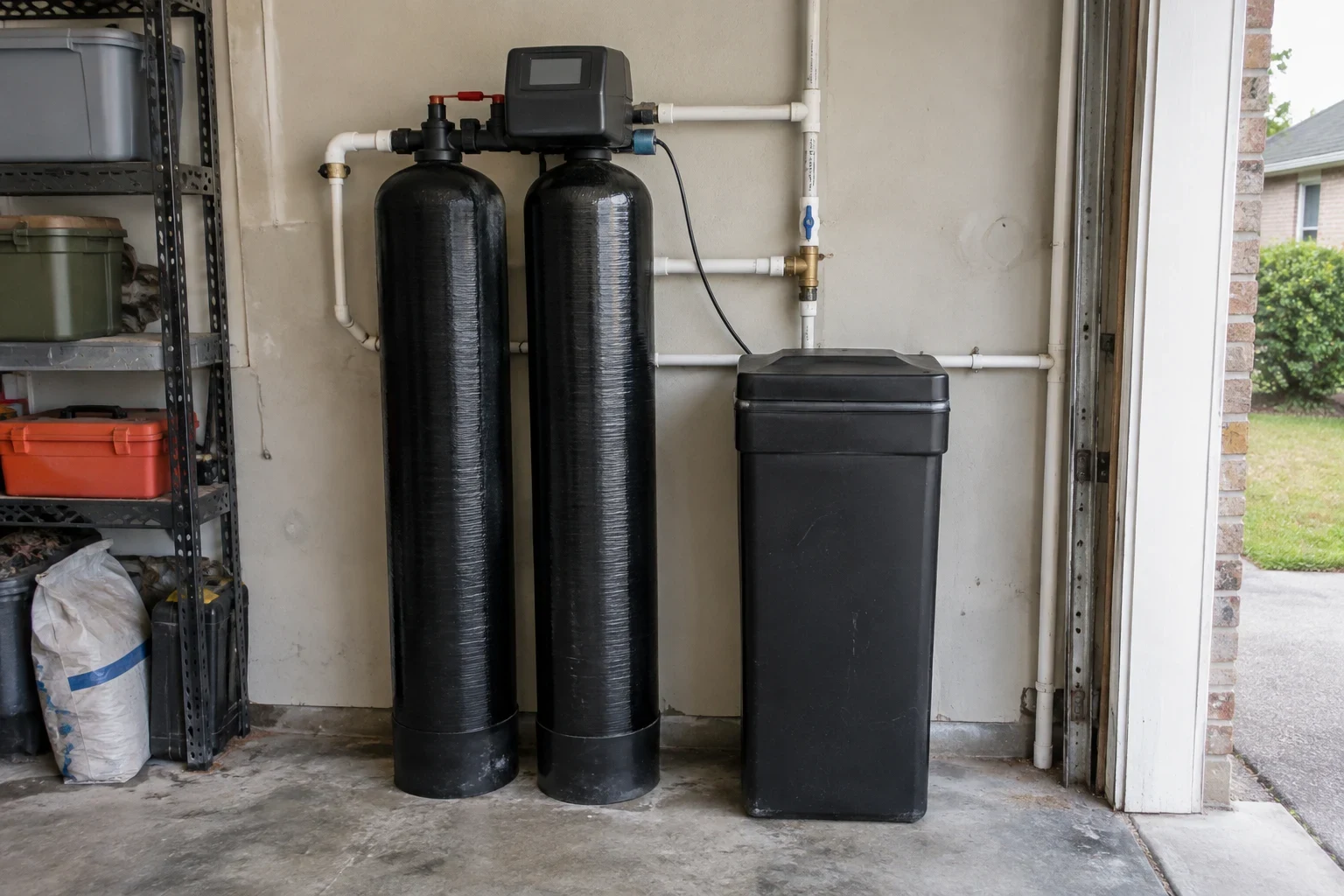
Know what is in your water
Tell us what you have noticed and we will plan the right tests for your home. You get clear numbers and an honest read on what, if anything, to do next.